Five ballet moves in combat
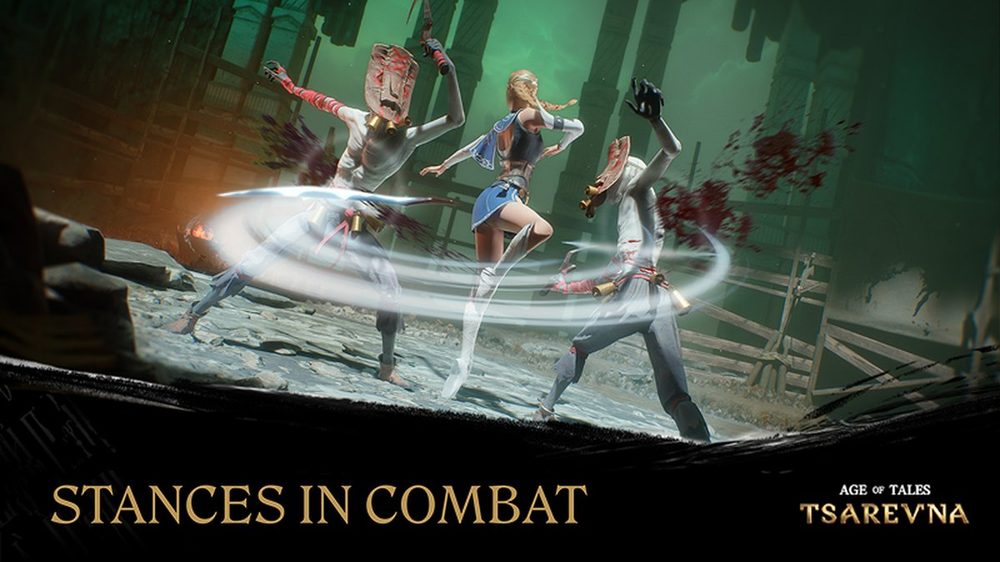
Five ballet elements map to a shockwave, a launch, a dash, a double jump, and a thrust.
Motion capture, with a Bolshoi prima ballerina
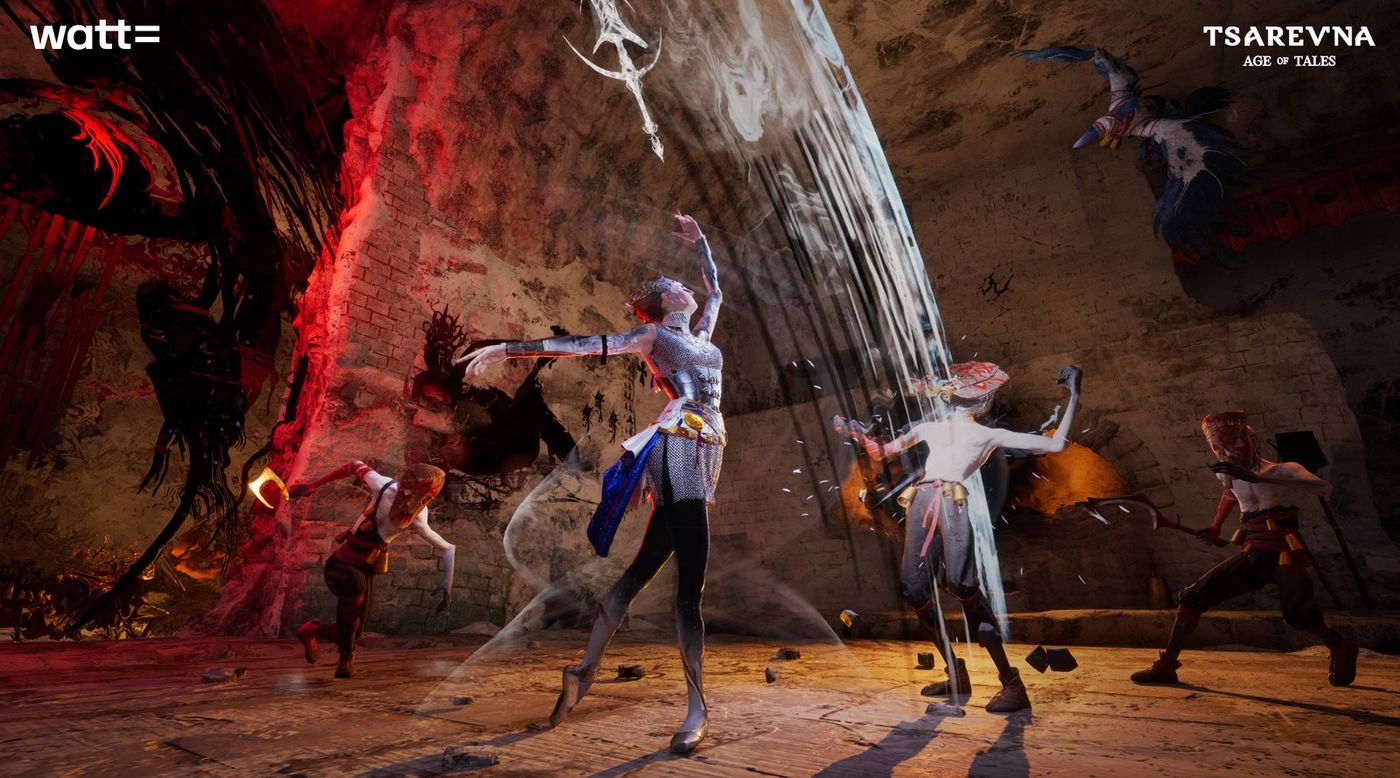
On 19 March 2026, animation artist Valentin wrote up how the heroine moves. The short version: they put Alyona Kovalyova, prima ballerina of the Bolshoi Theatre, in a motion capture rig.
A credit, not marketing garnish. It bought them something specific: natural posture, the flow of arms and legs, the small details that are hard to hand-key and that make animation feel alive.
Balance versus timing
Ballet is built on extended lines and held shapes. A slasher needs fast, readable animation with tight timing. Those two wants fight each other.
The tradeoff is named outright. They wanted responsive controls without throwing away the plasticity that makes ballet read as ballet. Their answer was a character who is quick and graceful at once, and they describe the whole project as trying to hold that line.
Five elements, five combat jobs
This is the most concrete thing the studio has published about combat. Each classical element below was adapted into a specific action.
| Ballet element | In combat |
|---|---|
| Attitude derrière | Spin that pushes enemies away with a shockwave |
| Attitude devant | Sharp leg strike that launches enemies |
| Tour piqué | Fast repositioning across the battlefield |
| Fouetté | Double jump |
| Grand jeté | Thrust that pushes one enemy out of a crowd for a duel |
That table is the studio's own mapping, not a community reconstruction. It is also the closest thing to a move list that exists in public.
Preparation, execution, completion
Every combat action is built on the three phases of a ballet movement: preparation, execution, completion. According to the write-up it applies to combat, to traversal, and to ordinary movement.
So the character reads as one continuous dancer rather than a fighter with dance animations stapled on. The same structure runs through all three layers.
An internal animation bible
The team wrote an internal animation bible to keep this consistent. It holds principles like turnout, arm and leg lines, and what makes a pose stable. They also built a library of ballet elements, each broken down by structure, preparation, completion, and the positions that hold balance.
When they design a combination, the post says they treat it like a puzzle: combine elements, shape the choreography, refine it with the expert, then implement.
Where the record stops
No input list. No frame data. No damage values. The studio has not published any of that, and the game is not out.
The stances are a separate post with their own page: normal and pointe. The store page's combat claims are here.