Attack types and archetypes
Four attack types exist, and the enemy roster was built role first, folklore second.
Every attack type the studio has named
The lead game designer's post from 14 March 2026 breaks the combat system down by attack type. This is the only public list of its kind.
| Attack type | What it does | Named for |
|---|---|---|
| Launch | Sends enemies into the air | Starting juggles |
| Area | Hits multiple targets | Crowd clearing |
| Wide sweeping | Strikes groups of enemies | Cutting a path |
| Ranged | Effective against flying enemies | The Soothsayer Crow |
That fourth row is worth noticing. The ranged option exists specifically because a flying enemy exists. The system was designed with the roster.
What the arenas ask for
The same post sets the target experience: large arena-style group battles where the player is constantly testing timing, dodging, positioning, and attack combinations.
Not duels. Crowds, with the skills to survive one.
Why the enemies had to be archetypes
The method is stated plainly. Slashers tend to have a core set of enemy roles, and the studio started there before inventing anything stranger.
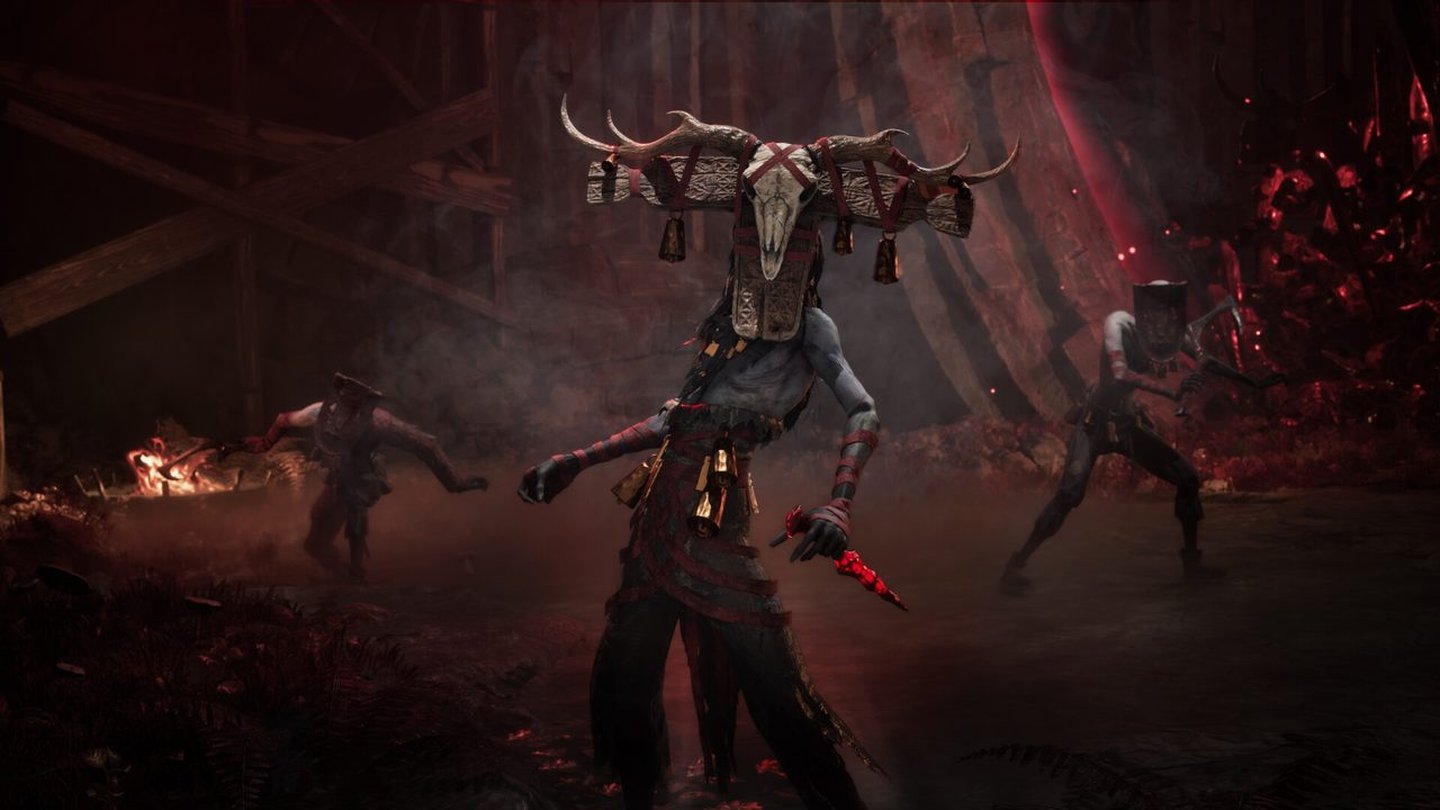
The three baseline roles they name: a standard melee enemy that applies constant pressure, a tank with strong defences that needs a different approach, and a ranged enemy that forces you to move.
Then they went looking for a narrative foundation in Slavic mythology and burial tradition, and arrived at the restless dead.
How the archetypes map
| Role | Enemy |
|---|---|
| Melee pressure | Upyr |
| Tank | Upyr Warlord |
| Flying ranged | Soothsayer Crow |
| Charger | Indrik |
That mapping is direct, and the studio states it in the same language. The design went role first, then folklore.
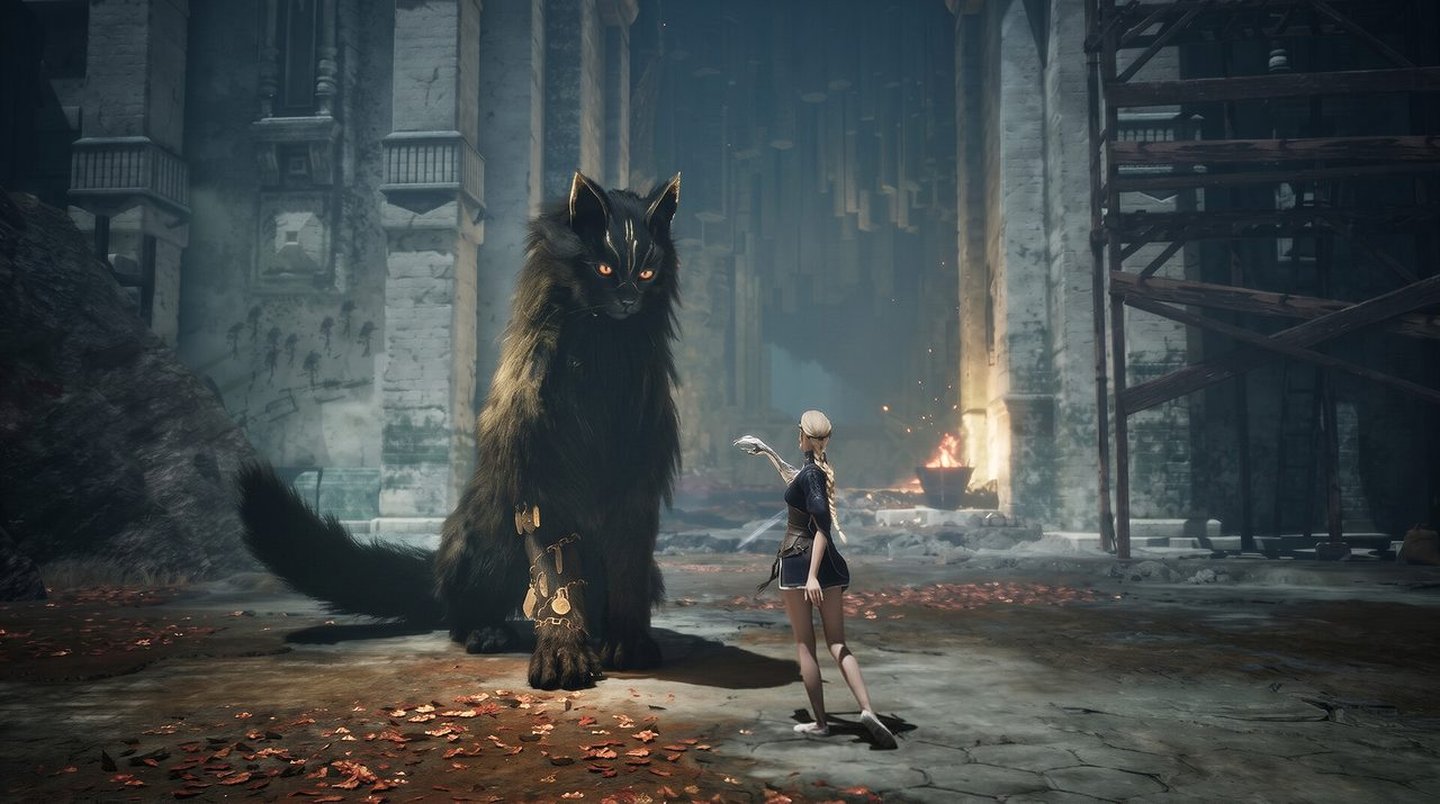
Cat Bayun is not an enemy
Cat Bayun is not an enemy. Watt Studio says so plainly, because the cat appears in screenshots next to hostile creatures and readers had started assuming.
He travels with Tsarevna. The tag-team attacks on the store page are his.
Left standing
The system is described in types and roles, not in numbers. There is no frame data, no damage table, no combo input list, and the game is not out.
The enemy behaviour detail is on the four enemies. The stance system that layers on top is here.